

Water leak sensors for Home Assistant: Zigbee and Z-Wave
Links to Amazon are affiliate links, so I get a small cut if you buy through them. As an Amazon Associate I earn from qualifying purchases. This buying guide is researched, not gear running in my house, so the verdicts come from specs and what Home Assistant users report.
A leak sensor is the cheapest insurance in a smart home. It sits on the floor, does nothing for years, and then tells you the water heater let go before the floor soaks through. The protocol you pick should match the radio you already run, not the other way around.
If you run Zigbee, Aqara and ThirdReality both pair directly with Zigbee2MQTT and ZHA. If you run Z-Wave, the Zooz ZSE42 joins your existing mesh. Either way, Home Assistant gets a moisture entity you can build a notification on.
I don’t have years on any of these in my own house, so this is a researched list, not an ownership report. Picks come from the makers’ spec pages and the Zigbee2MQTT device database.
Where to put them
Under every sink, behind each toilet, next to the water heater, under the dishwasher and fridge if they have a water line, by the washing machine, and next to the HVAC condensate drain or sump if you have one. Leaks start at connections and appliances, so that’s where the sensors go.
What to watch out for
A notification only helps if someone sees it. Send a critical alert that gets past do-not-disturb, and pick a sensor with a built-in alarm, like the ThirdReality, for spots where nobody checks their phone.
Coin cell sensors go quiet when the battery dies, and a dead leak sensor looks exactly like a dry floor. Put the battery level of every leak sensor on a dashboard or in a weekly low-battery report.
The ZSE42 handles a splash, but Zooz says it can’t be submerged. It’s built to sit on a floor and catch the first water, not to live in a sump pit.
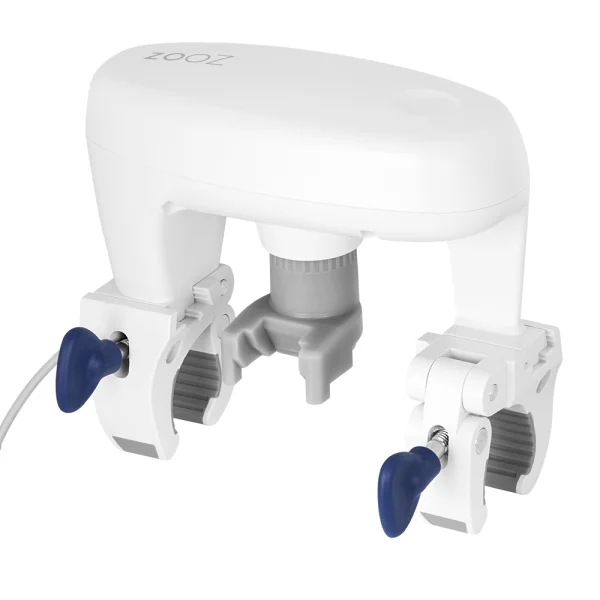
The ZAC36 needs room around the valve: about 3 in on each side of the valve center and 1 in between the pipe and the wall. Measure your main shutoff before you buy one.
Verdict
Put the Aqara sensor everywhere if you’re on Zigbee, and add a ThirdReality wherever a local alarm would help. Use the Zooz ZSE42 if your house runs Z-Wave. If you want the house to stop a leak instead of just reporting it, add the Zooz ZAC36 on the main shutoff and wire its probe next to the water heater.
-
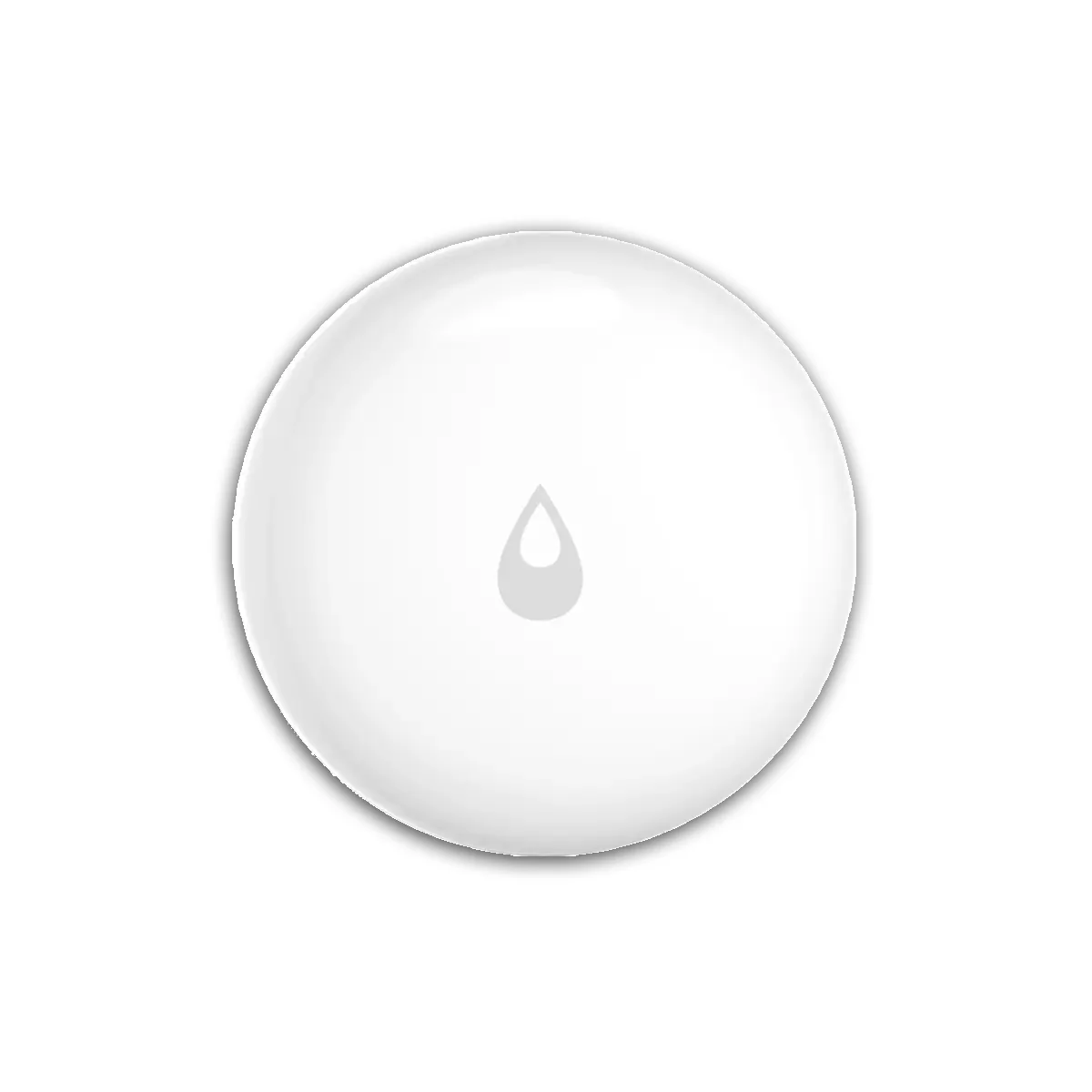
Cheap enough to put one at every sink, toilet, and appliance. The listing says it needs an Aqara hub; it doesn't if you run Zigbee2MQTT or ZHA with your own coordinator.
- Zigbee
- IP67 rated
- One CR2032 coin cell
- Supported in Zigbee2MQTT (SJCGQ11LM)
-
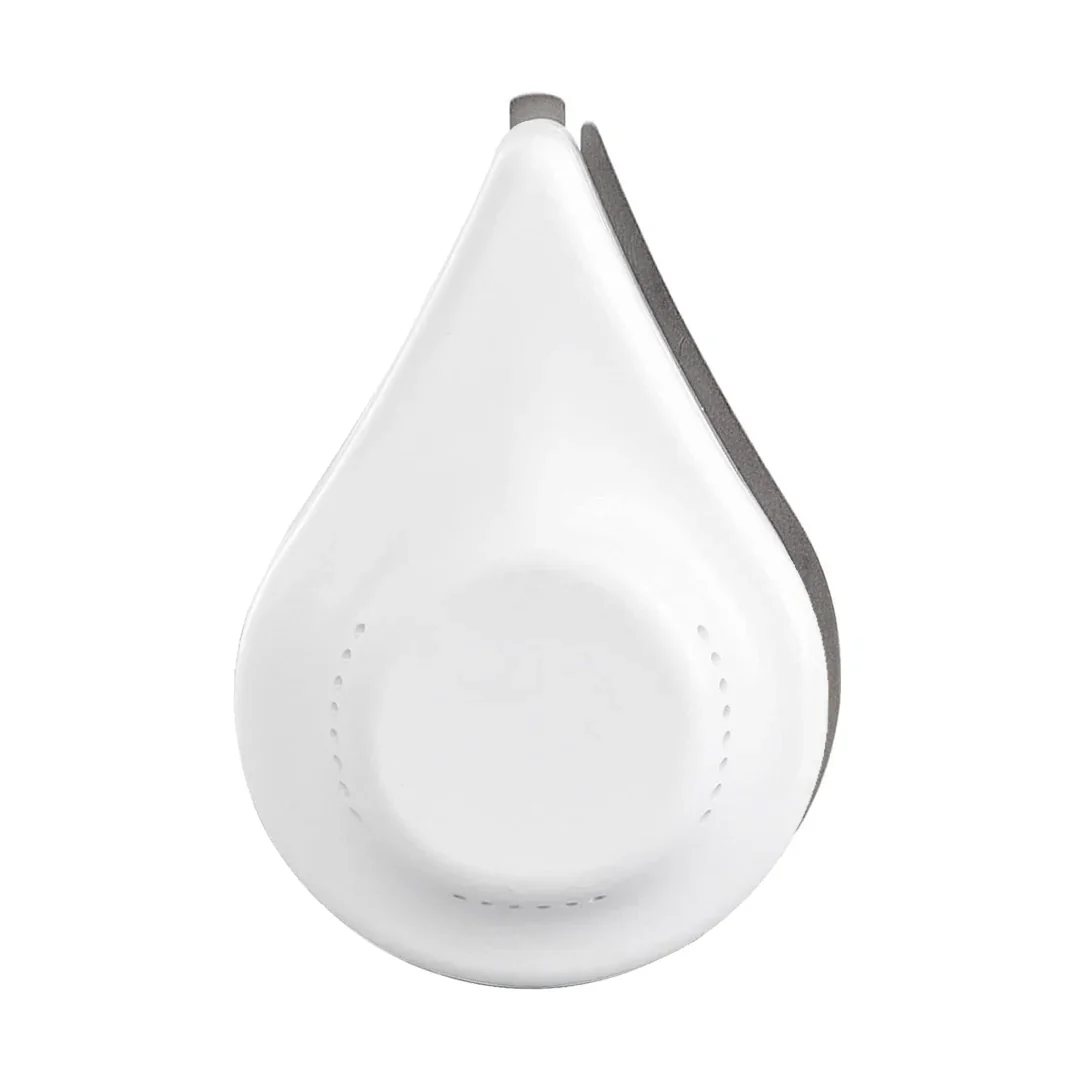
The alarm on the sensor itself sounds even if Home Assistant or the network is down. That matters in a basement or utility closet you don't walk past every day.
- Zigbee
- Built-in 120 dB alarm
- Two AAA batteries, rated 3 years
- Supported in Zigbee2MQTT (3RWS18BZ)
-
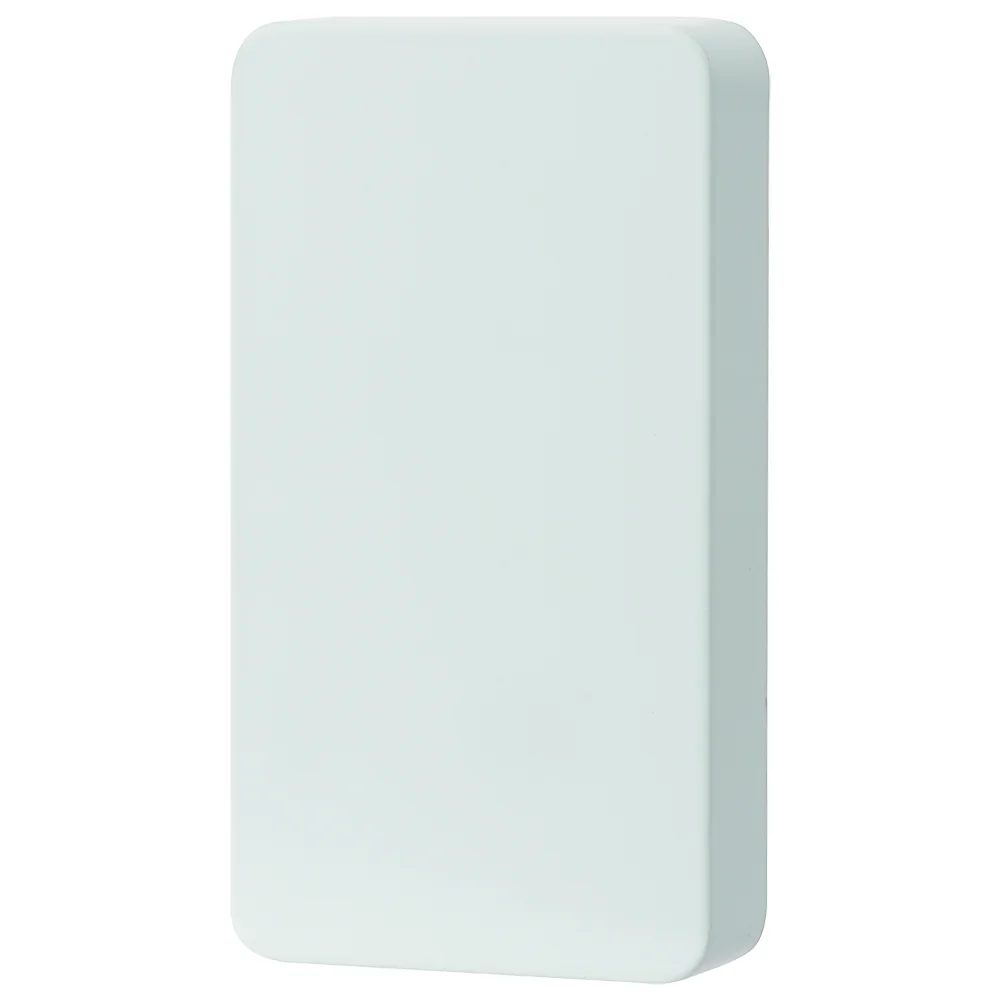
The Z-Wave pick, thin enough to slide under a dishwasher or fridge. Long Range helps for a sensor in a garage or detached utility room far from the controller.
- Z-Wave Long Range
- About 0.3 in thick
- One CR2032 coin cell
- Splash resistant, not submersible
-
A leak sensor tells you about water. This turns the water off. It clamps onto the ball valve you already have, so no plumber, and its own probe shuts the valve without waiting on Home Assistant.
- Z-Wave Long Range
- Turns existing 0.5 in to 1.25 in ball valves
- Wired leak probe closes the valve even if the hub is down
- 12V plug-in, optional backup battery
- Built-in temperature sensor
Related buying guides
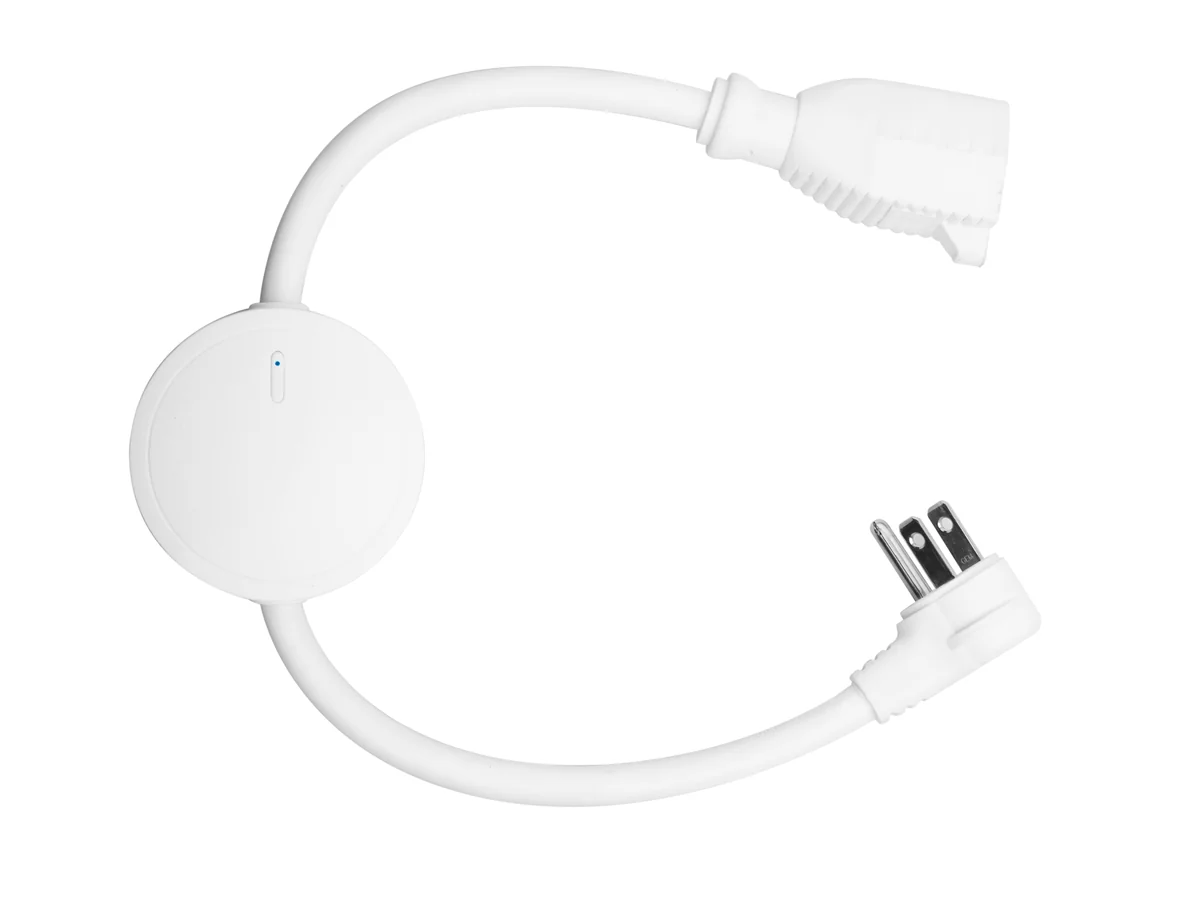
Best energy-monitoring smart plugs I actually run
The Zooz Z-Wave plugs I run for dumb appliances that need to report in, indoors and out, without an app or a subscription.
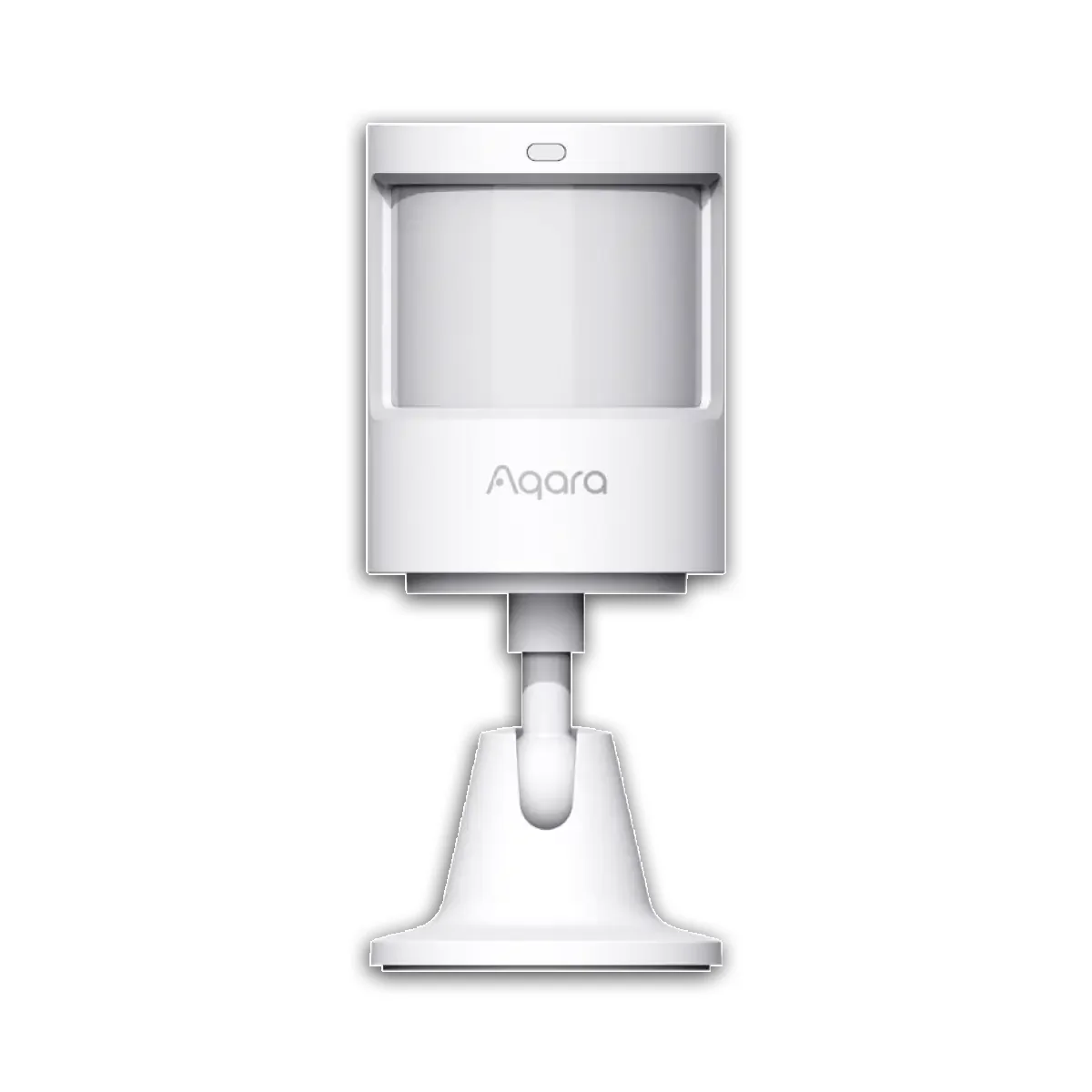
Gifts for Home Assistant people: Black Friday 2026
Gifts for someone who runs Home Assistant, sorted by price, from $20 sensors to a robot vacuum, with what to ask them before you buy.
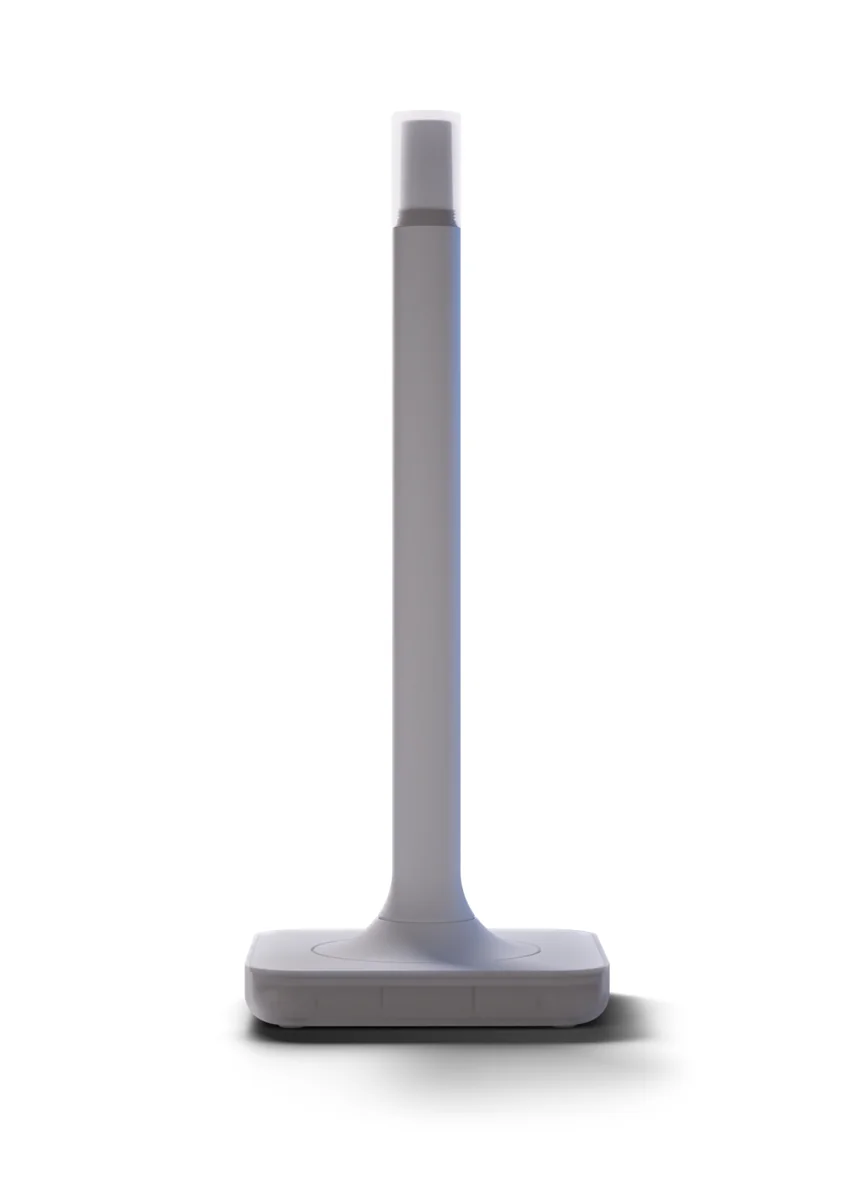
Z-Wave and Zigbee coordinators for Home Assistant
The two radios I'd point you at if you're setting up Z-Wave or Zigbee on Home Assistant today.