
Presence sensors that actually work: what I run
Links to Amazon are affiliate links, so I get a small cut if you buy through them. As an Amazon Associate I earn from qualifying purchases. Everything in this buying guide runs (or ran) in my house.
A motion sensor and a presence sensor solve two different problems, and mixing them up is why so many “smart” lighting automations turn lights off on someone sitting on the couch.
A PIR motion sensor, the kind in most cheap battery sensors, detects movement. It fires when something crosses its field of view and goes quiet as soon as everything stops moving, even if a person is still in the room. That’s fine for a hallway or a closet, where the whole point is “did someone just walk through here.” It falls apart in a living room, office, or bathroom, anywhere someone sits still for more than a minute or two, because the sensor has nothing to report once the motion stops.
mmWave presence sensors solve that by detecting a person’s presence directly, not just their movement. They pick up on breathing and small body movement even when someone is sitting or lying still, so a room stays “occupied” the whole time someone is actually in it.
I run mmWave in the rooms where staying still is normal: the living room, the office, sitting at a desk. Cheap Zigbee PIR sensors cover the rest of the house, hallways and closets, anywhere the only automation that matters is “turn the light on for the ten seconds someone’s walking through.”
What to watch out for
mmWave sensors cost more per unit, so putting one in every room isn’t worth it. Save them for rooms where someone sits still; use PIR everywhere else.
Placement affects both types, but it affects mmWave more. Detection range and field of view vary by room shape, and a sensor aimed across a doorway instead of into the room will miss someone already seated.
Verdict
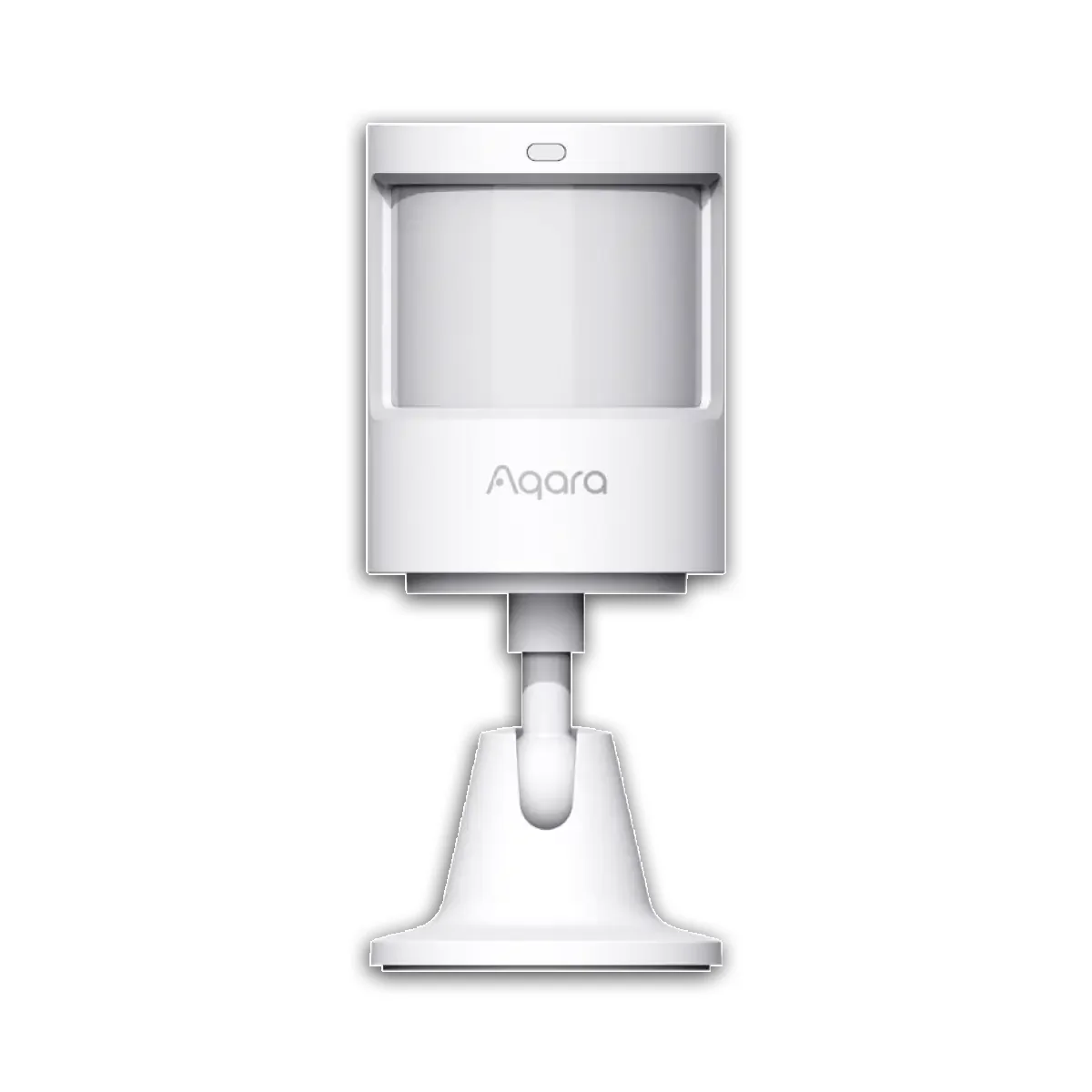
Use mmWave in any room where someone might sit still: living rooms, offices, anywhere “did they leave” actually matters. Use cheap PIR, the Aqara P1, everywhere else. Trying to make one sensor type do both jobs is where lighting automations get annoying.
-
For hallways, closets, and anywhere people just pass through, this is the cheap, reliable answer. One in every room without budget pain.
- Zigbee
- PIR motion detection
- Battery powered
- Cheap enough for every room